
Plymouth Civic Centre
Details
- Architect: BDP
- Developer: Plymouth City Council
- Location: Plymouth
- Status: In Progress
Services
- Concept Design
- Façade Access
- Facade Maintenance Strategy
- Façade Workshop Meetings
- RIBA Stages 3-4
- Specification Writing
- Structural Calculations
- Thermal Calculations
Plymouth Civic Centre
Details
- Architect: BDP
- Developer: Plymouth City Council
- Location: Plymouth
- Status: In Progress
Services
- Concept Design
- Façade Access
- Facade Maintenance Strategy
- Façade Workshop Meetings
- RIBA Stages 3-4
- Specification Writing
- Structural Calculations
- Thermal Calculations
Redevelopment of Plymouth Civic Centre
The Plymouth Civic Centre, listed at Grade II since 2007, stands as one of Plymouth’s most recognisable post war structures. Completed in 1962 as part of the Abercrombie Plan that guided the city’s reconstruction after the Blitz, it served as a civic office facility for many decades. By 2015 the building no longer met modern office requirements and was vacated, resulting in progressive deterioration.
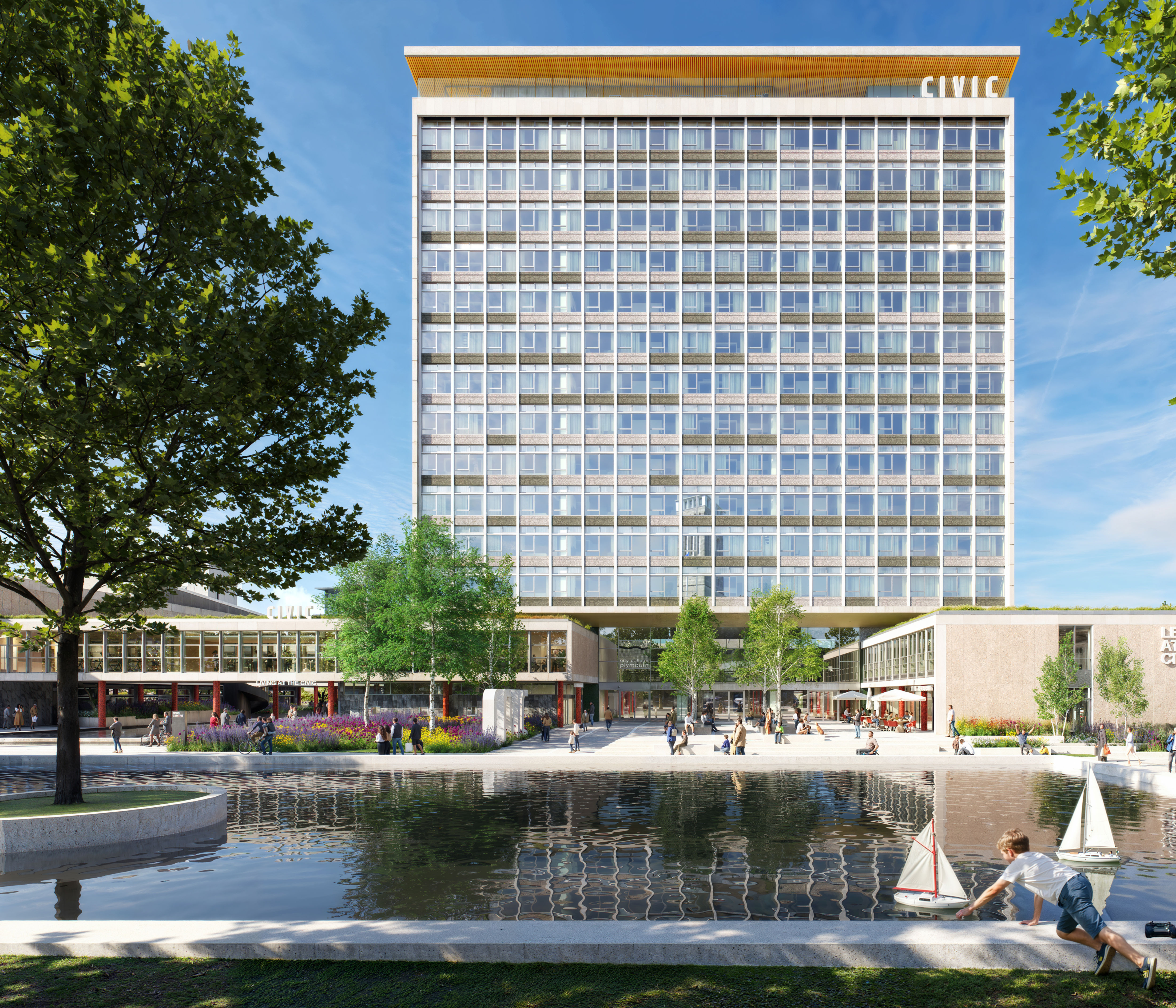
A major regeneration programme, led by Plymouth City Council with support from Homes England, is now bringing the building back into productive use. The tower is being converted into residential apartments, while the podium levels will accommodate a new City College Plymouth campus. The distinctive roof pavilion featuring its characteristic gull wing profile will be reinstated and transformed into a public café offering panoramic views across the city and waterfront (CGI courtesy of BDP).
Appointed Services and Technical Scope
Our involvement in the scheme began in 2023 with the development of façade concept proposals for the previous building owner, Urban Splash, in partnership with Gillespie Yunnie Architects. Following the building’s acquisition by Plymouth City Council, BDP Architects were appointed to lead the project. The appointed façade consultancy services have included Stage 3 and Stage 4 concept design, thermal and structural calculations, façade performance specifications and support in preparing the Gateway 2 submission. Stage 3 and Stage 4 façade access consultancy services have also been delivered.
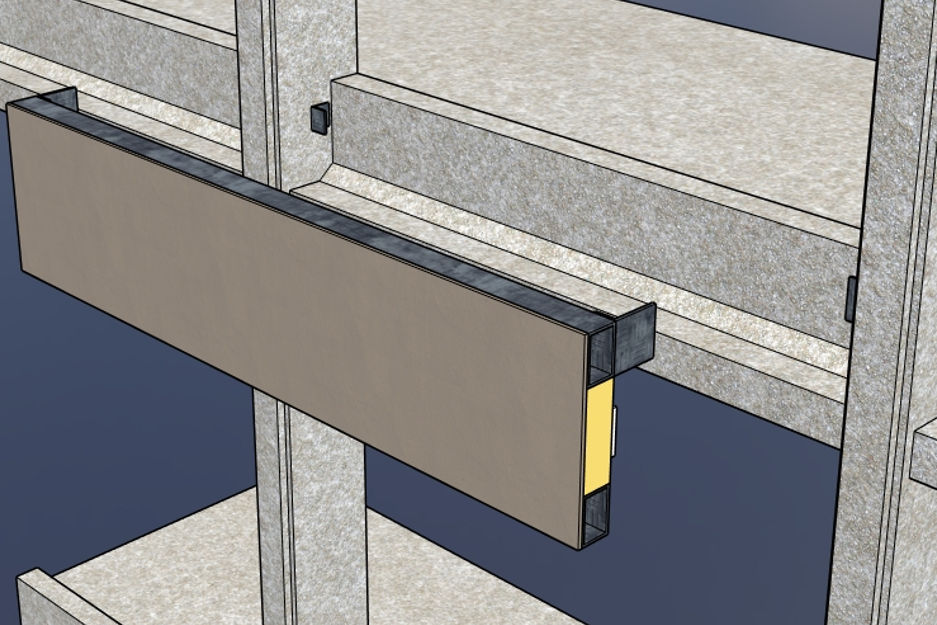
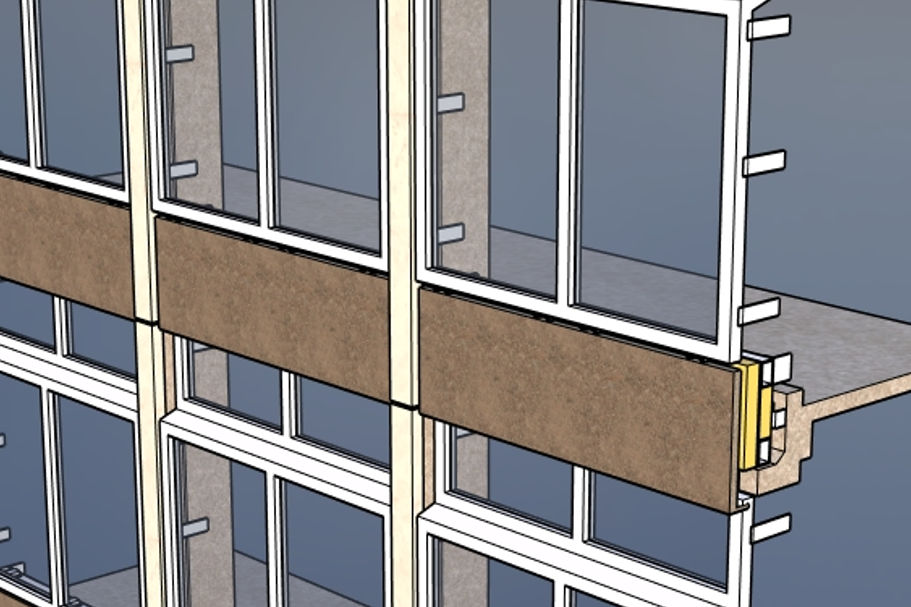
( ↑ ) Images from various models as part of the design process
Heritage and Technical Challenges
The requirement to retain the existing structure while respecting the building’s architectural character introduced a series of complex design considerations. The architectural vision to keep the existing waffle slabs and much of the visible concrete frame placed further constraints on new façade development. The precast façade panels on the gable ends and around the perimeter of the tower are being retained and refurbished, with planning conditions stipulating that the depth relationship between these elements and the new façade must be preserved. This presented significant challenges in achieving the thermal performance associated with contemporary buildings, as the original 1960s construction did not anticipate modern energy standards.
The façade consultancy team has been central to resolving these issues and developing solutions that balance performance requirements with heritage sensitivities.
Façade Access Strategy
The façade access consultancy role has focused on understanding the existing Building Maintenance Unit and identifying options for integrating a modern replacement system within a highly constrained and sensitive rooftop environment.
Project Outlook
The redevelopment of the Civic Centre continues to progress as a technically rigorous and architecturally significant undertaking. Once complete, the renewed building is expected to become a key destination within Plymouth, contributing to the wider regeneration of the city centre. Collaboration with BDP, the wider design team and Schuco has helped to establish façade solutions that are both compliant and deliverable, while remaining respectful of the building’s historic character.
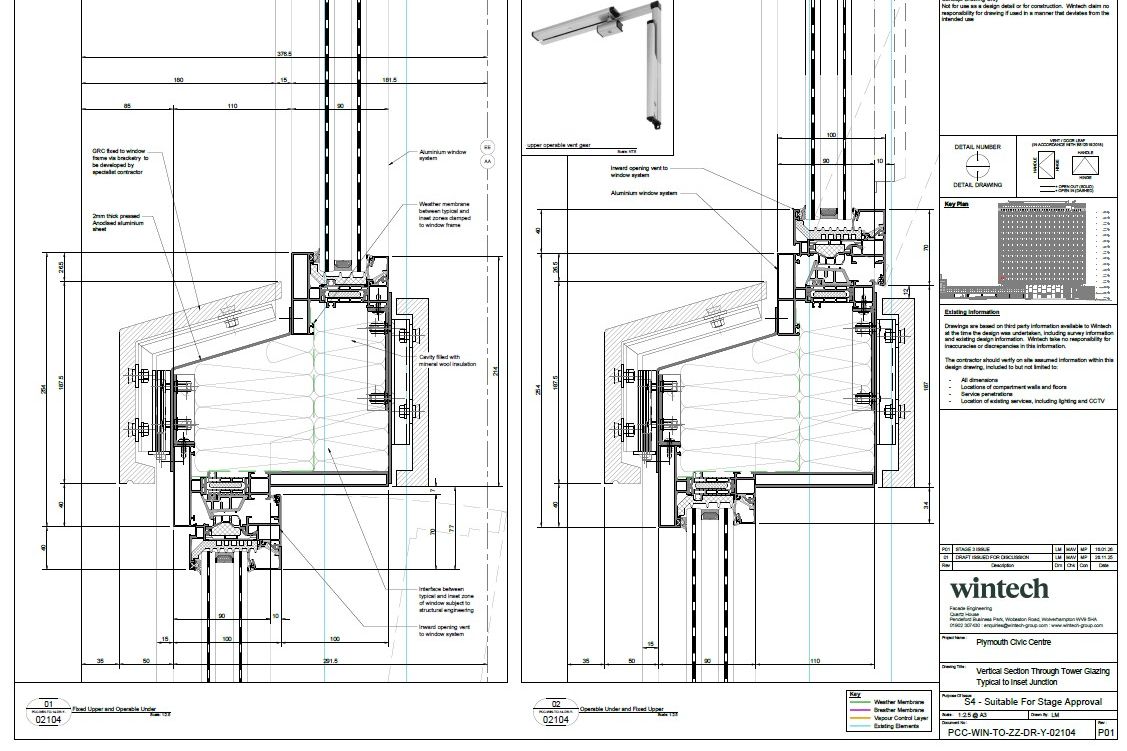
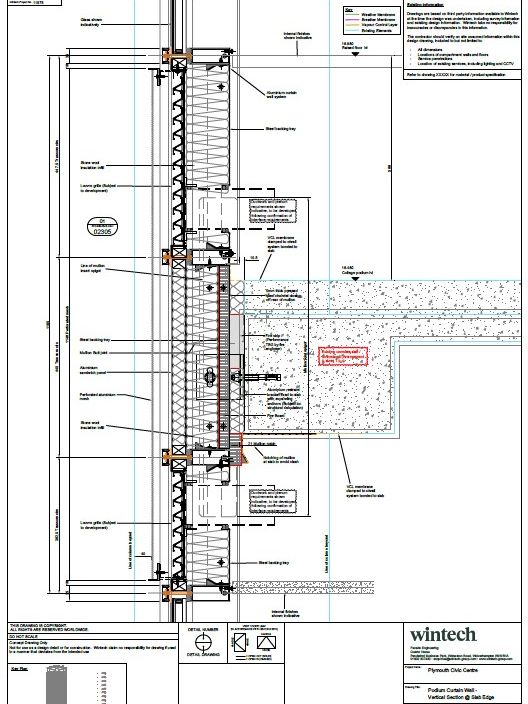
( ↑ ) Wintech drawings
Related Projects
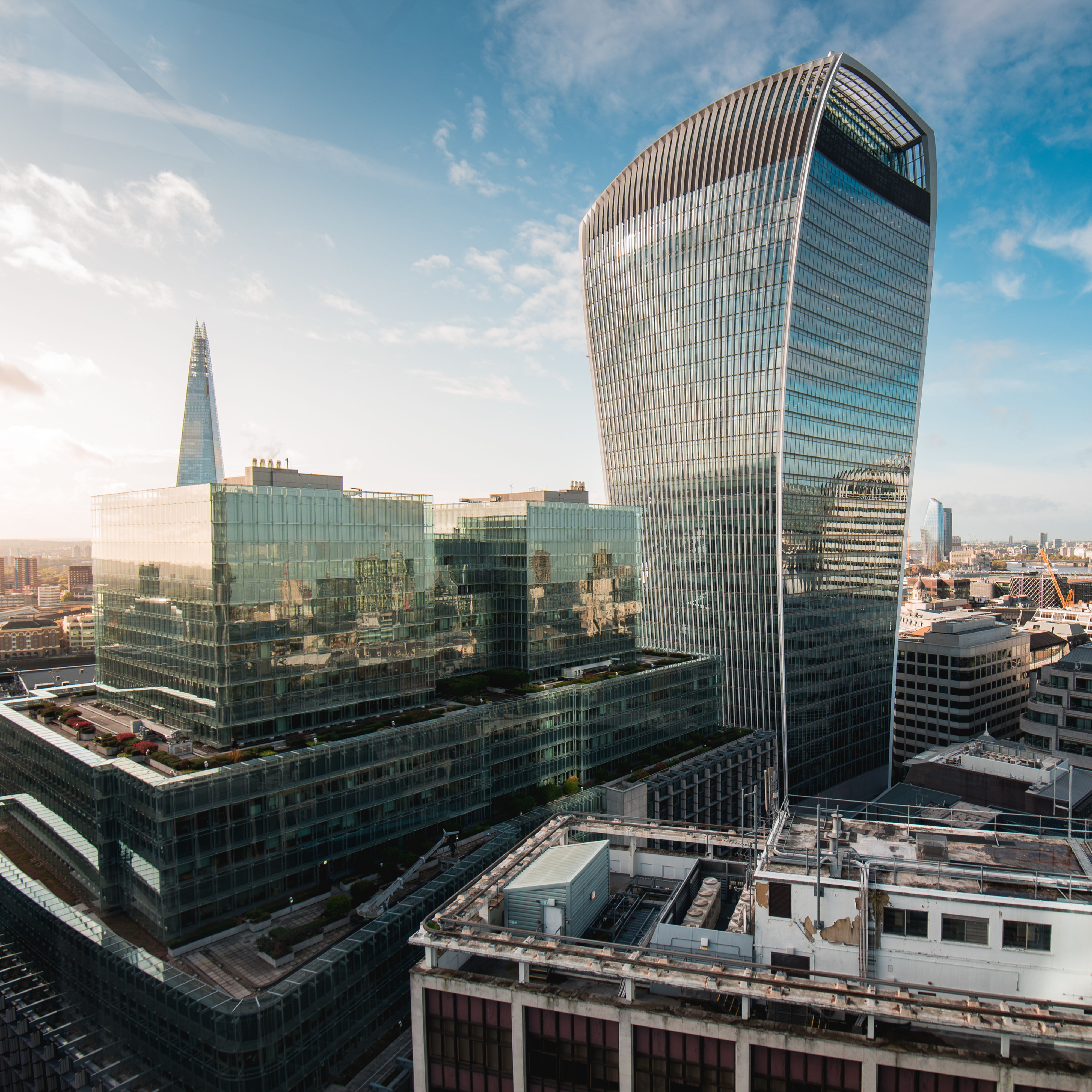
20 Fenchurch Street
Wintech are proud to have played a vital role in the ongoing performance and enhancement of 20 Fenchurch Street, affectionately known as the “Walkie Talkie”.
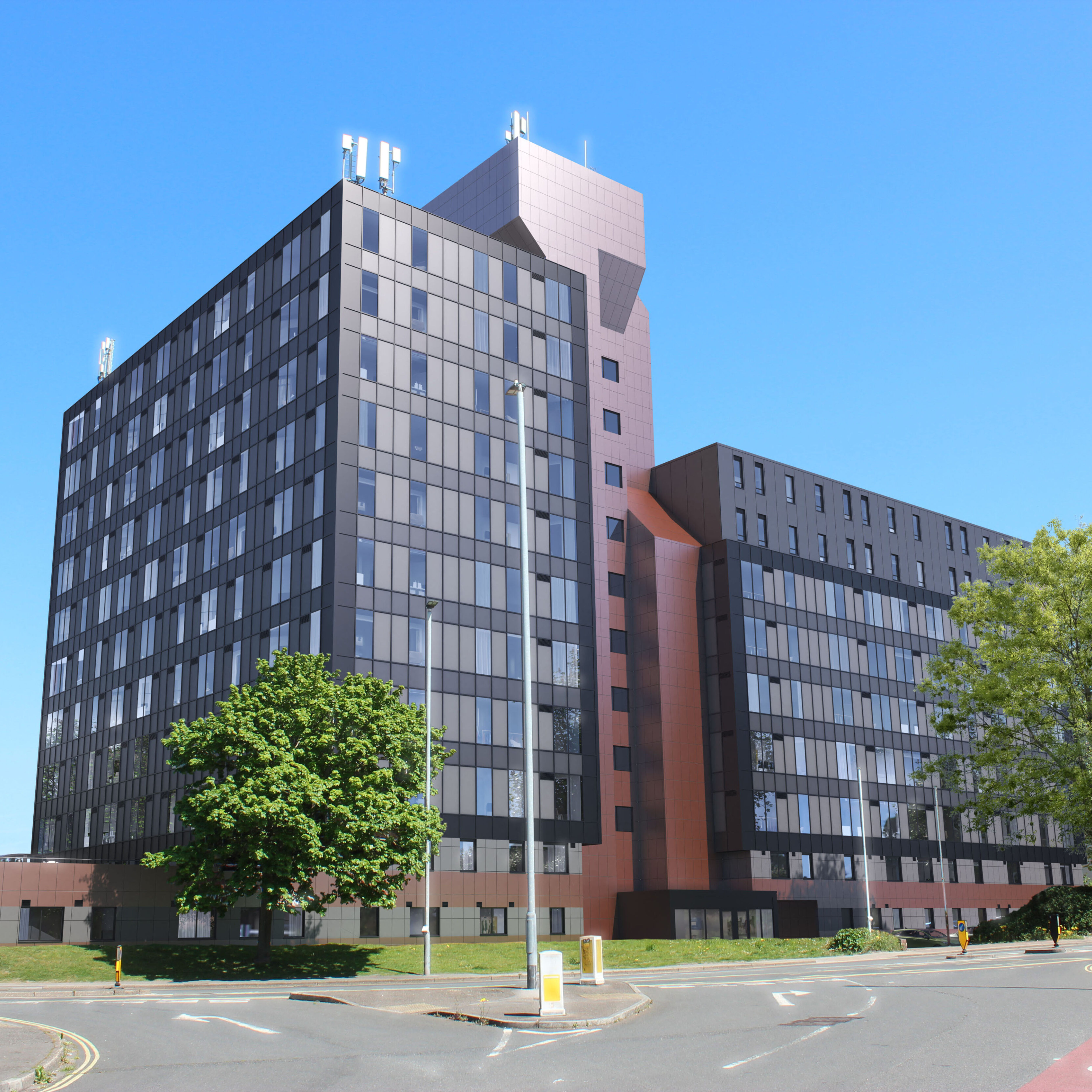
Connect Centre
Wintech is providing a comprehensive multidisciplinary building design to support the Architects and Project Managers, including Civil, Structural, Building Services, Fire, Façade, and Façade Access Consultancy.

Edition
Wintech is delighted to contribute our façade consultancy and access services expertise to Edition in the cultural heart of Birmingham
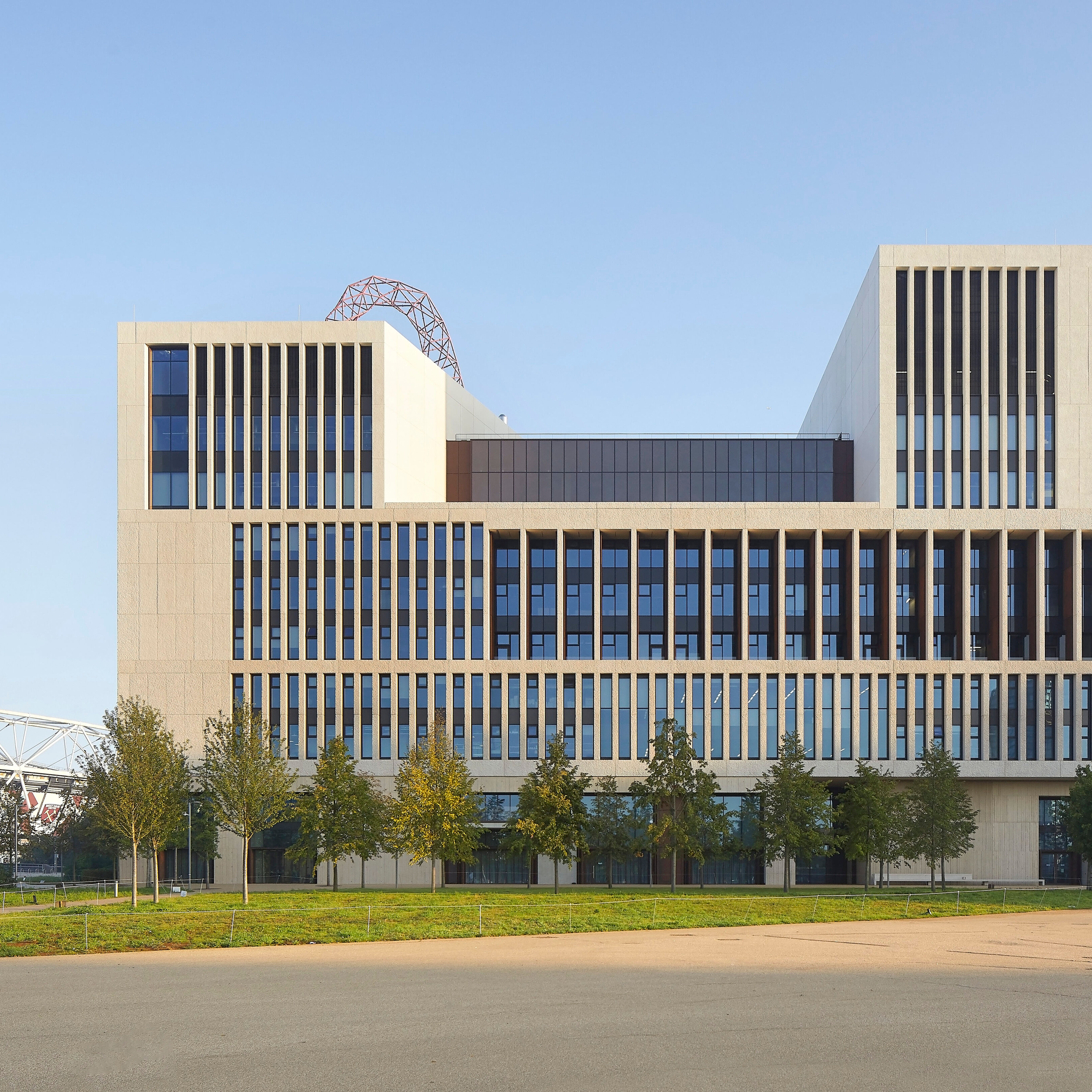
UCL East Marshgate
Designed by Stanton Williams, East Marshgate is part of University College London and sits within Queen Elizabeth Olympic Park. From its inception, the project embraced a strategy of longevity, creating an adaptable, future-proof building. The façade features durable precast components, carefully arranged to convey solidity and elegance while enhancing energy efficiency through valuable shading.
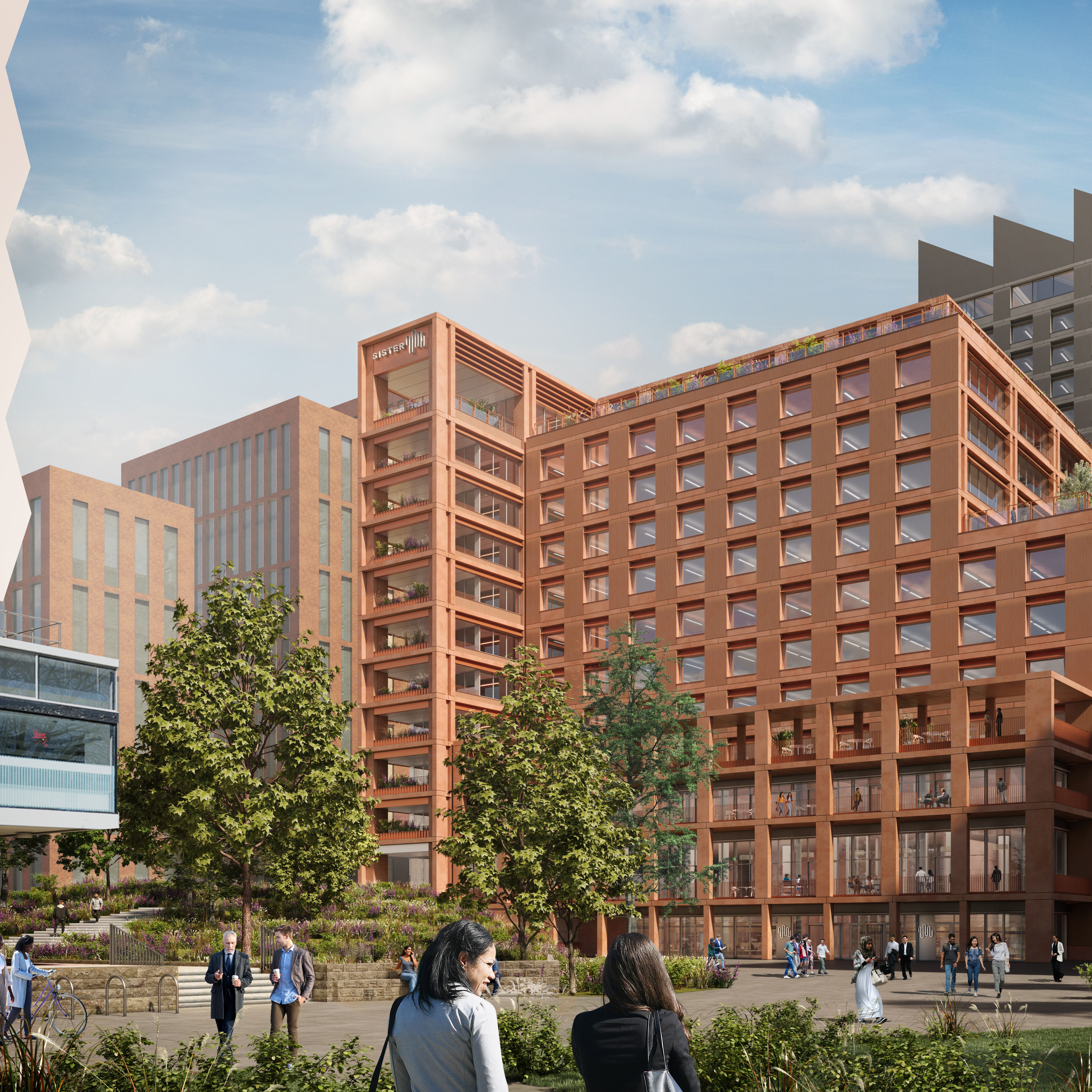
Sister, Manchester
Sister, formerly known as ID Manchester is a £1.7 billion 15-year regeneration project led by The University of Manchester and Bruntwood SciTech, spanning approximately 18 hectares on the university’s former North Campus.