Dark mode allows you to save up to 30% battery and reduce your ecological footprint. Are you sure you want to change mode?

We design ingenious, sustainable structures that bring architectural visions to life, enhancing communities and supporting a resilient future.

Structural Engineering

( ↓ )

Enabling Better Development Decisions Through Structural Engineering

Successful developments rely on more than effective structural design. They require informed decisions that balance risk, cost, performance and long-term value from the earliest stages of a project.

Wintech’s Structural Engineering team works with developers, investors, asset owners and project teams to unlock opportunities, overcome constraints and create commercially viable solutions. From site acquisition and feasibility studies through to detailed design, refurbishment and construction, we provide the technical insight needed to support confident decision-making and successful project outcomes.

Our expertise spans new-build developments, adaptive re-use, structural appraisal and complex refurbishment projects across the commercial, residential, industrial and public sectors. By combining technical excellence with a practical understanding of buildability, sustainability and building safety, we help clients reduce risk, optimise asset performance and maximise value throughout the development lifecycle.

Beyond Design

Beyond design, our team excels in preparing scope of work documents for clients and subcontractors, encompassing elements such as geotechnical and contamination investigations, all types of foundations, and the use of concrete, steel and other construction materials.

Our deep understanding of site assessments also allows us to support clients in interpreting reports and site investigations, empowering them with crucial insights to make informed decisions in site acquisitions and early project stages.


Structural engineering 3D model of reinforced concrete basement structure

( ↑ ) 3D Model of reinforced basement car park
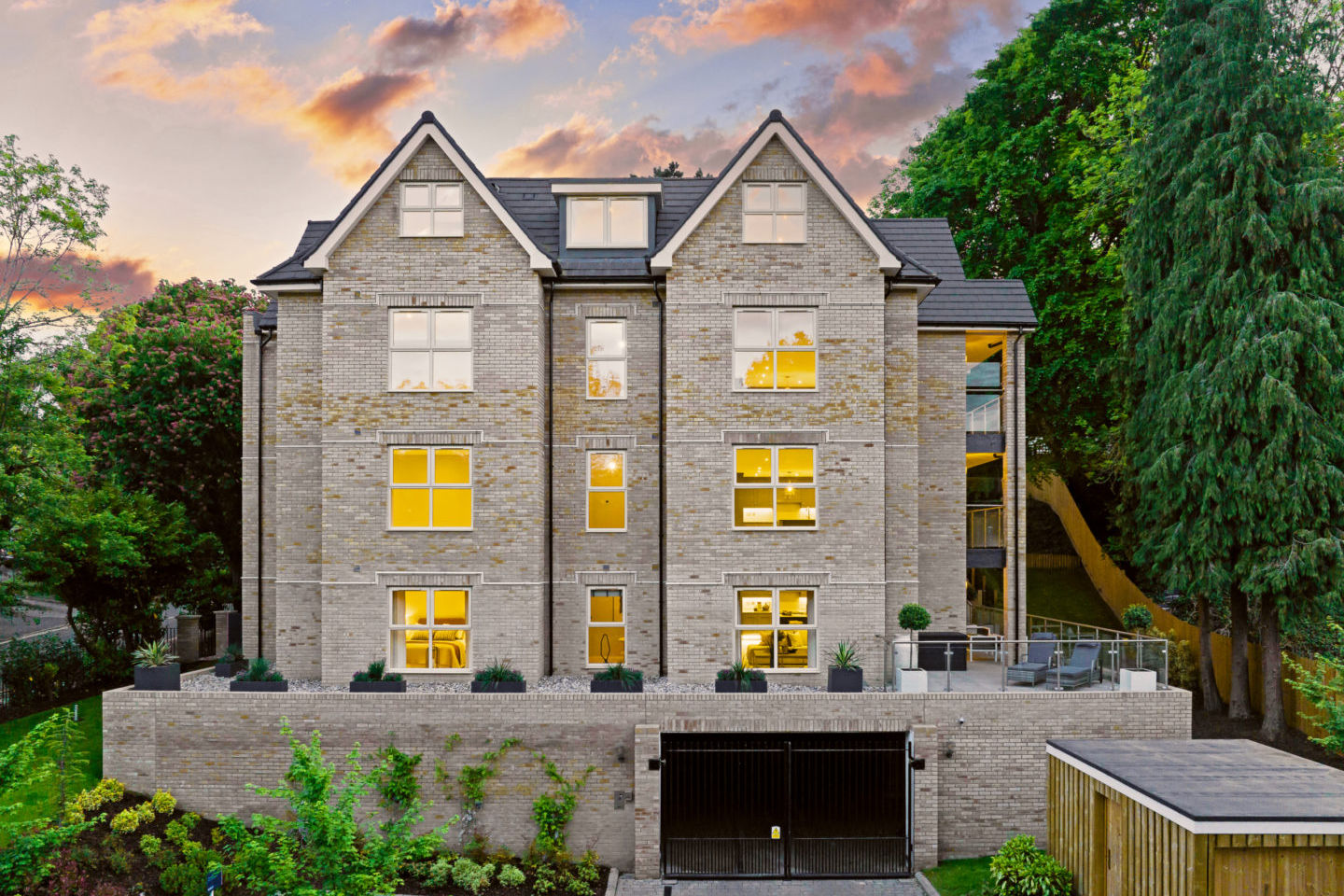
Structural engineering design for building structure

( ↑ ) Kebbel Homes apartments

Concept to Completion

During construction, our engineers can conduct site visits, providing on-site supervision and comprehensive reports on their findings and defects, ensuring that every stage of the project meets the highest standards of quality and safety. Partner with us for structural engineering expertise that supports your project from concept to completion.

Related Structural Engineering Projects:

View All →
Enter your details to get in touch about your Structural Engineering requirements:

FAQs

Yes. Our experienced structural engineers can assess the condition, capacity and suitability of an existing building for refurbishment, extension, change of use or redevelopment. Combining extensive practical experience with non-intrusive surveys and structural appraisal, we provide valuable early-stage advice to identify opportunities, constraints and risks, helping clients make informed decisions before committing to design or acquisition.
When you believe that a structural assessment could add value. We can provide our services in clearly defined stages, giving the Client full control over scope, cost and decision-making throughout the process. While structural engineers are commonly appointed during the feasibility, concept and design stages, our experience has often enabled us to identify opportunities, constraints and potential cost savings at a much earlier stage, including pre-acquisition and initial development appraisals.
Structural engineers, alongside architects, play a key role in the development of any project regardless of size. Beyond technical expertise, we provide leadership, coordination and value engineering, working closely with architects, civil engineers, building services engineers and other consultants to develop practical, compliant and commercially viable solutions. Our involvement helps clients make informed decisions, manage risk and maximise value throughout the development process.
Yes. Our experienced structural engineers are ideally placed to undertake this type of assessment. We can often identify potential issues that may not be apparent to others and provide valuable insight before a purchase or development decision is made. Common concerns include ground movement, material defects, non-standard construction methods and deterioration arising from a lack of maintenance. An early-stage structural assessment can highlight risks and estimate costs, providing developers, investors and property owners with the information needed to make informed decisions with confidence.
Our structural review assesses the condition, performance and suitability of an existing structure for redevelopment. It may be required for refurbishment, conversions, alterations, changes of use, suspected defects, structural damage, property acquisitions or where limited information is available. The assessment helps determine whether repairs, strengthening works or further investigations are necessary. Our reports also identify significant non-structural defects and elements showing signs of poor performance that could lead to increased maintenance costs, reduced service life or future structural concerns. This provides clients with valuable insight to support informed decisions and effective risk management.
Yes. In most cases, existing buildings can be renovated, structurally strengthened and adapted to meet new requirements. However, the viability of any option must be balanced against cost and project objectives. This is where our experience adds real value, helping clients make informed decisions. Our experienced structural engineers can assess the existing structure and identify practical solutions to support refurbishment, extension or change of use proposals. Retaining and upgrading a building can reduce embodied carbon, minimise waste and often provide a commercially attractive alternative to demolition and redevelopment.
Yes. In most cases, a change of use project will require structural engineering input. Changing the use of a building can alter loadings, load paths and performance requirements, which may affect the adequacy of the existing structure and foundations. Our experience structural engineers assess the existing building, identify any limitations and, where required, develop practical strengthening or modification solutions. We often provide alternative options, helping clients achieve a safe, compliant and commercially viable scheme.
Our structural engineering expertise enables us to optimise designs and develop alternative solutions that allow quantity surveyors to assess and reduce project costs more effectively. A well-balanced design can achieve significant savings through efficient material utilisation and improved buildability. Our focus is on protecting the project budget while providing practical, efficient and commercially viable engineering solutions that represent true value engineering.
Structural engineers play a key role in reducing embodied carbon by developing efficient structural solutions that minimise material use while maintaining safety and performance. Early engagement allows opportunities to optimise structural systems, consider the reuse of existing structures and improve whole-life performance. By balancing sustainability, buildability and cost considerations, the structural design can contribute significantly to lowering the overall carbon footprint of a project while supporting the client’s commercial and environmental objectives.
Early engagement of the structural engineer can provide valuable input into the spatial design and architectural layout at the outset of a project. This allows the design team to develop structural solutions that support the architectural vision while maintaining an economical and buildable design. At an early stage, we can identify opportunities for minor amendments for consideration by the architect and client that may deliver significant benefits in terms of buildability, environmental performance and cost efficiency. Our spatial design advice also helps clients identify potential risks, control project costs and make informed decisions before committing significant time and investment.
Structural engineers contribute to building safety by ensuring structures are designed, assessed and maintained to appropriate standards. We undertake design risk assessments to identify potential hazards associated with the structure and, where reasonably practicable, eliminate or reduce those risks through the design process. Under the Building Safety Act 2022 and associated regulations, structural engineers have a legal and professional duty to exercise reasonable care and skill in the design and assessment of structures and to support the management of building safety risks. This is particularly important for higher-risk buildings, where structural information forms a key part of demonstrating how structural risks are identified and managed throughout the building lifecycle.
A Building Safety Case demonstrates how building safety risks are identified, assessed and managed throughout the life of a building. Structural engineers contribute by providing technical information on structural systems, materials, building condition, alterations and potential structural risks. We have extensive experience of delivering projects under the Building Safety Regulator framework and are well placed to support clients in meeting the associated regulatory requirements and standards.

Explore Our Disciplines