

Civil Engineering
Discipline Civil Engineering
Civil Engineering
Our Civil Engineering specialists have a wealth of experience and extensive in-house expertise built up over 40 years. We provide a full range of professional civil engineering services, ranging from acquisition to planning support through to detailed design and construction.
Our engineers are experienced in carrying out Flood Risk Assessments for all types of development to support planning applications. These are particularly relevant in the current climate with issues of global warming, flooding, and changing environmental regulations.
The detailed design of highways and drainage to support developments of all types, preparing plans, sections and construction details and obtaining the relevant approvals from the various highway, water and other authorities.
The design is carried out using various software packages including Causeway PDS, Flow, swept path analysis and ground models.

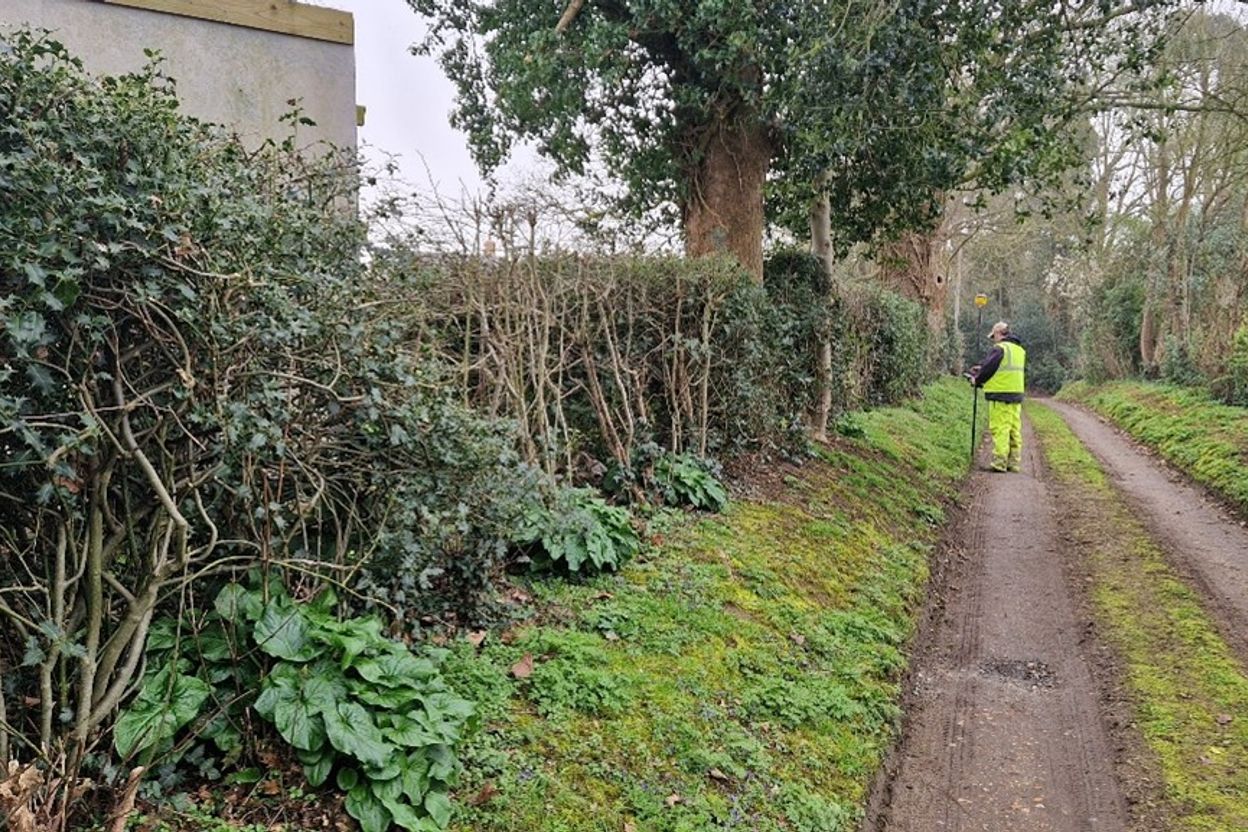
( ↑ ) Rabans Lane, Aylesbury
Concept to Completion
During construction, our engineers can conduct site visits, providing on-site supervision and comprehensive reports on their findings including defects and ensuring that every stage of the project meets the highest standards of quality and safety.
Feature Projects:
View All →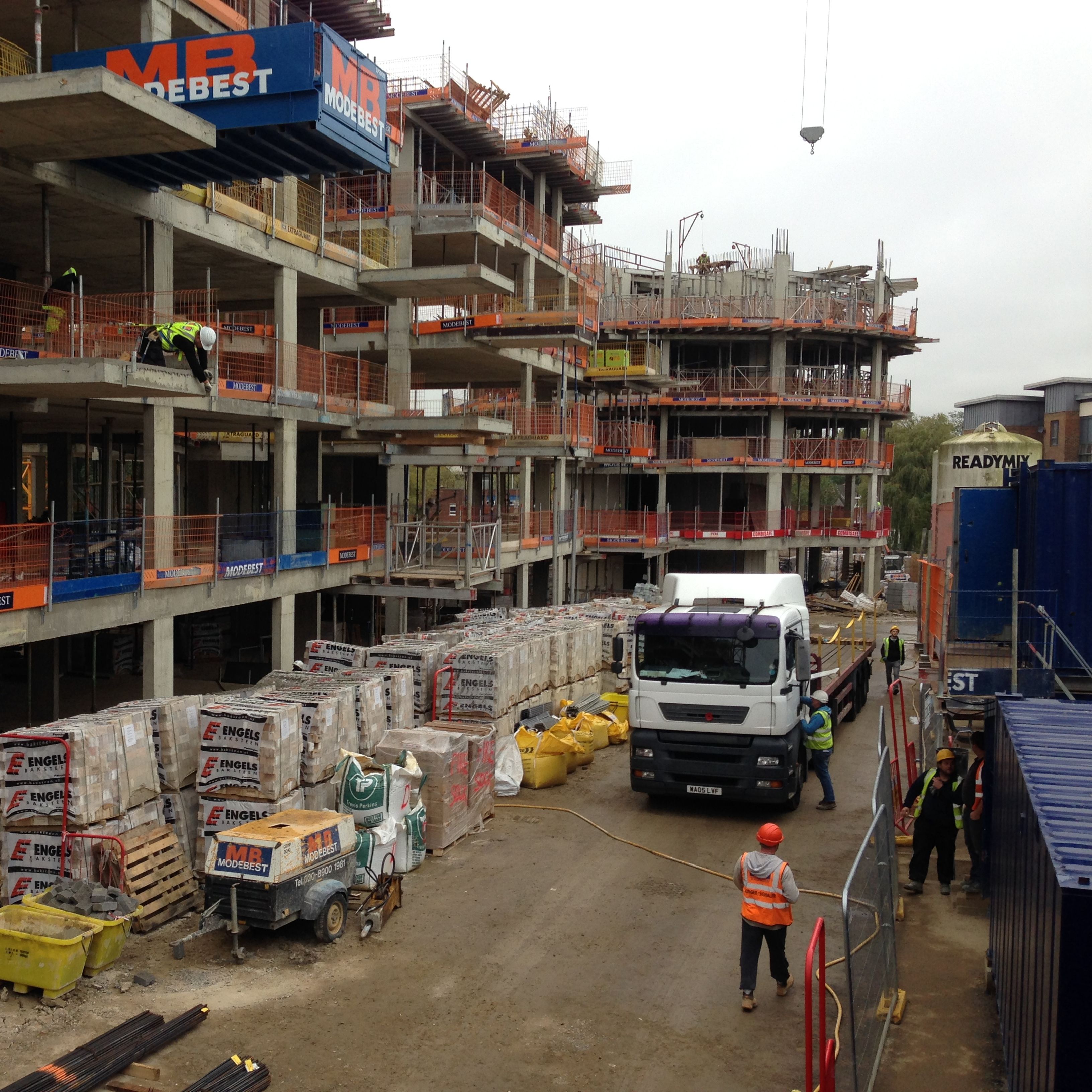
FAQs
Commonly required reports and supporting documents include:
• Drainage Strategy Reports
• Flood Risk Assessments (FRA)
• Sustainable Drainage Systems (SuDS) Strategies
• Levels and Earthworks Strategies
• Transport Assessments and Highway Access Appraisals
• Utilities Assessments and Infrastructure Statements
• Foul and Surface Water Drainage Assessments
• Water Management Strategies
• Construction Logistics and Access Plans
The specific requirements will vary from site to site. Factors such as flood risk, topography, existing infrastructure, ground conditions and local planning policy will influence the scope of information needed. Our civil engineering consultants can identify the relevant requirements at an early stage, coordinate the preparation of technical documents and create a robust planning submission proportionate and tailored to the project needs.
• Inadequate drainage capacity or challenging drainage requirements
• Flood risk constraints
• Poor ground conditions or contamination
• Difficult earthworks due to site levels and topography
• Restricted highway access or highway improvement requirements
• Limited utility capacity or costly service diversions
• Abnormal foundation requirements
• Third-party land constraints and easements
Many of these risks can remain hidden until detailed design or construction begins, often resulting in programme delays and additional costs. Early civil engineering feasibility assessments help identify potential constraints before land acquisition or significant financial commitments are made.
• Rivers and watercourses
• Surface water runoff
• Groundwater
• Reservoirs and other artificial sources
• Existing drainage networks
Where risks are identified, mitigation measures can be developed to reduce potential impacts and improve the resilience of the proposed development. These may include Sustainable Drainage Systems (SuDS), finished floor level adjustments, flood storage solutions and drainage infrastructure improvements.
SuDS solutions can include:
• Attenuation tanks and underground storage systems
• Permeable paving
• Swales and filter strips
• Detention basins
• Blue roofs and green roofs
• Ponds and other surface water features
• Rain gardens and landscaped drainage features
These measures have grate environmental impact to mitigate adverse effects of development, help control runoff rates, reduce flood risk, improve water quality and support long-term climate resilience. Our experience civil engineering consultant can assess the site’s drainage constraints and opportunities, develop an appropriate SuDS strategy and design a cost-effective solution that integrates effectively with the wider development.
• Topographical surveys
• Utility searches and utility surveys
• CCTV drainage surveys
• Ground investigations and geotechnical surveys
• Flood risk data reviews
• Ecology and environmental constraints information
• Existing highway and infrastructure assessments
• Site levels and boundary verification surveys
In many cases, some information can be obtained through desktop studies and existing records before commissioning detailed on site investigations. Let us recommend the most appropriate investigations for your development, helping to avoid unnecessary expenditure and focus resources where they add the greatest value.
At Wintech, we focus on delivering practical, cost-effective solutions that balance technical performance, sustainability and commercial objectives, helping clients maximise the value and viability of their developments.
• Section 38 Agreement – relates to the adoption of new highways by the local highway authority.
• Section 104 Agreement – relates to the adoption of new sewers by the relevant water authority.
• Section 106 Agreement – a planning obligation between the developer and local planning authority that secures contributions, mitigation measures or other requirements necessary to make a development acceptable in planning terms.
• Section 185 Agreement – relates to the diversion of existing public sewers where they are affected by a proposed development.
• Section 278 Agreement – covers alterations and improvements to existing public highways required to facilitate a development.
These agreements are often critical to the successful delivery of a development and can affect programme, costs and infrastructure adoption. Our civil engineering team can prepare the required designs and technical submissions, while coordinating with local authorities, water companies and other stakeholders to secure the necessary approvals.
Explore Our Disciplines
Sustainability Consultancy
"What we build today defines our tomorrow." Wintech recognise the severity of the climate crisis and the responsibility we bear as a consultancy group to serve as a catalyst for change.
Civil Engineering
Our Civil Engineering specialists have extensive expertise built up over 40 years with a full range of professional civil engineering services
Structural Engineering
Our Structural Engineering team design sustainable structures that bring architectural visions to life, enhancing communities and supporting a resilient future.
Fire Engineering
Wintech can provide expert specialist fire engineering consultancy and advice at every stage of the project - new build or existing.
Building Services (MEP)
Our Building Design (MEP) Consultants bring a depth of operational experience and coordinated expertise to our client’s projects.
Façade Engineering
Wintech is one of the UK’s leading façade engineering consultants, trusted by architects, developers, and contractors

Façade Access Consultancy
From concept to completion, our façade access consultancy team develop strategies that will provide safe access to all areas of the building envelope
Surveying
We are at the forefront of the profession, embracing the latest technology. We offer a complete surveying service and are equipped to tackle any job in the UK