Dark mode allows you to save up to 30% battery and reduce your ecological footprint. Are you sure you want to change mode?

Sustainability consultancy focused on reducing carbon emissions and improving energy performance across building design and construction.

Sustainability Consultancy

( ↓ )

Build Today, Define Tomorrow

“What we build today defines our tomorrow” something which at Wintech we strongly believe in. We recognise the severity of the climate crisis and the responsibility we bear as a consultancy group to serve as a catalyst for change. We are a collaborative force – our vision is to support our clients, industry and nation with meeting Net Zero Targets and building a sustainable future. Furthermore, we work closely with academia and understand the importance of educating the next generation.

We provide end‑to‑end sustainability and energy consultancy across RIBA Stages 2–7, guiding projects from initial concept through to handover and post‑occupancy performance. For London‑based projects, we also guide clients in meeting all relevant Greater London Authority (GLA) planning requirements.

Our goal is clear, to make buildings safe, efficient & resilient, not just for today, but for a greener, more sustainable tomorrow. Together, we can shape a better world through responsible construction.”

– Paul Savidge, Managing Director

Sustainability Consultancy

  • Pre-demolition and Pre-redevelopment audits
  • Whole Life Carbon (WLC) and Embodied Carbon (EC) reporting 
  • Facade specific EC calculations (CWCT methodology, 2022)
  • Circular economy statement
  • Sustainability statement
  • Sustainable procurement plan
  • Tender support for the sustainability package
  • Design audit of contractor’s sustainability submissions

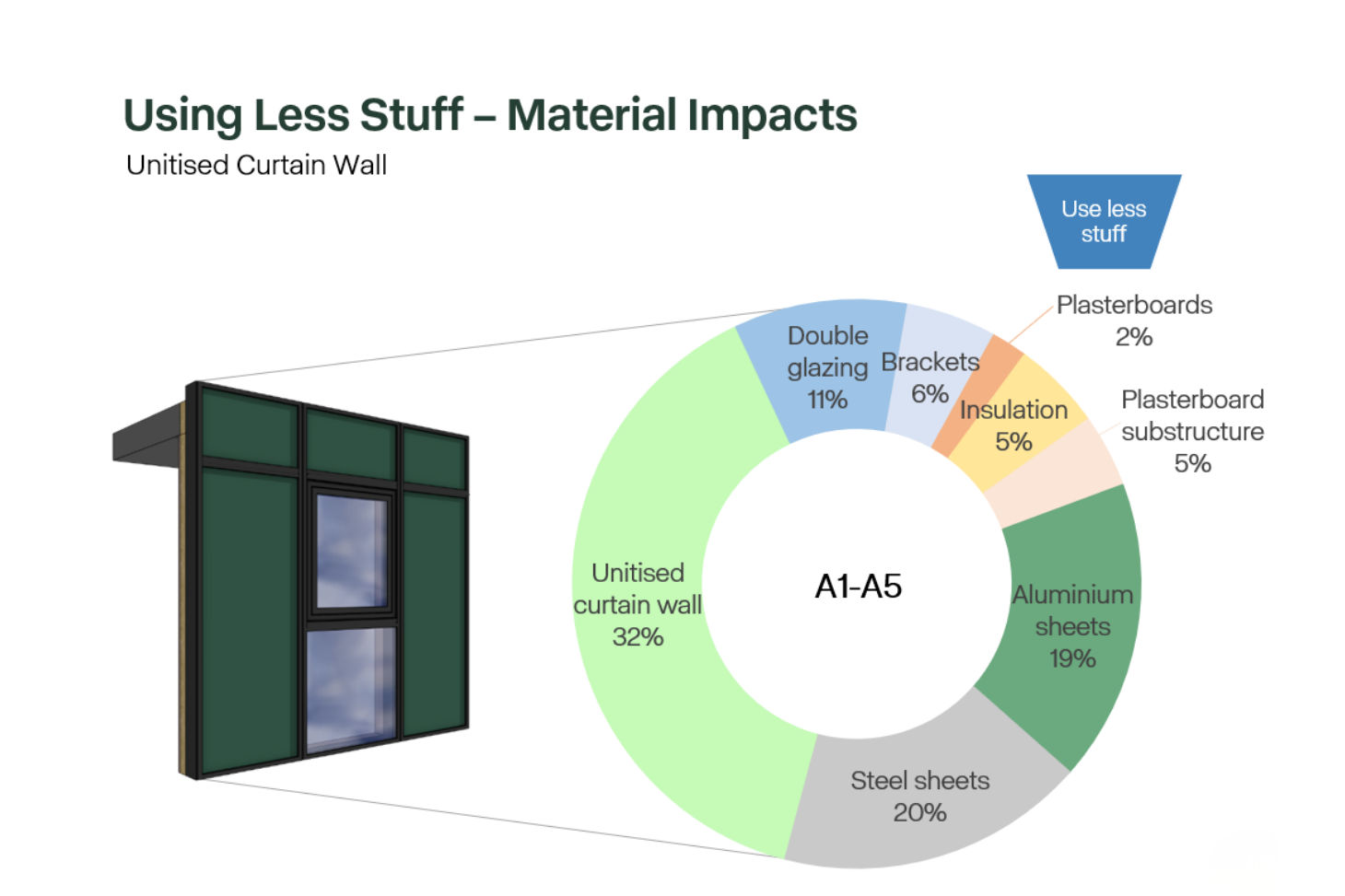
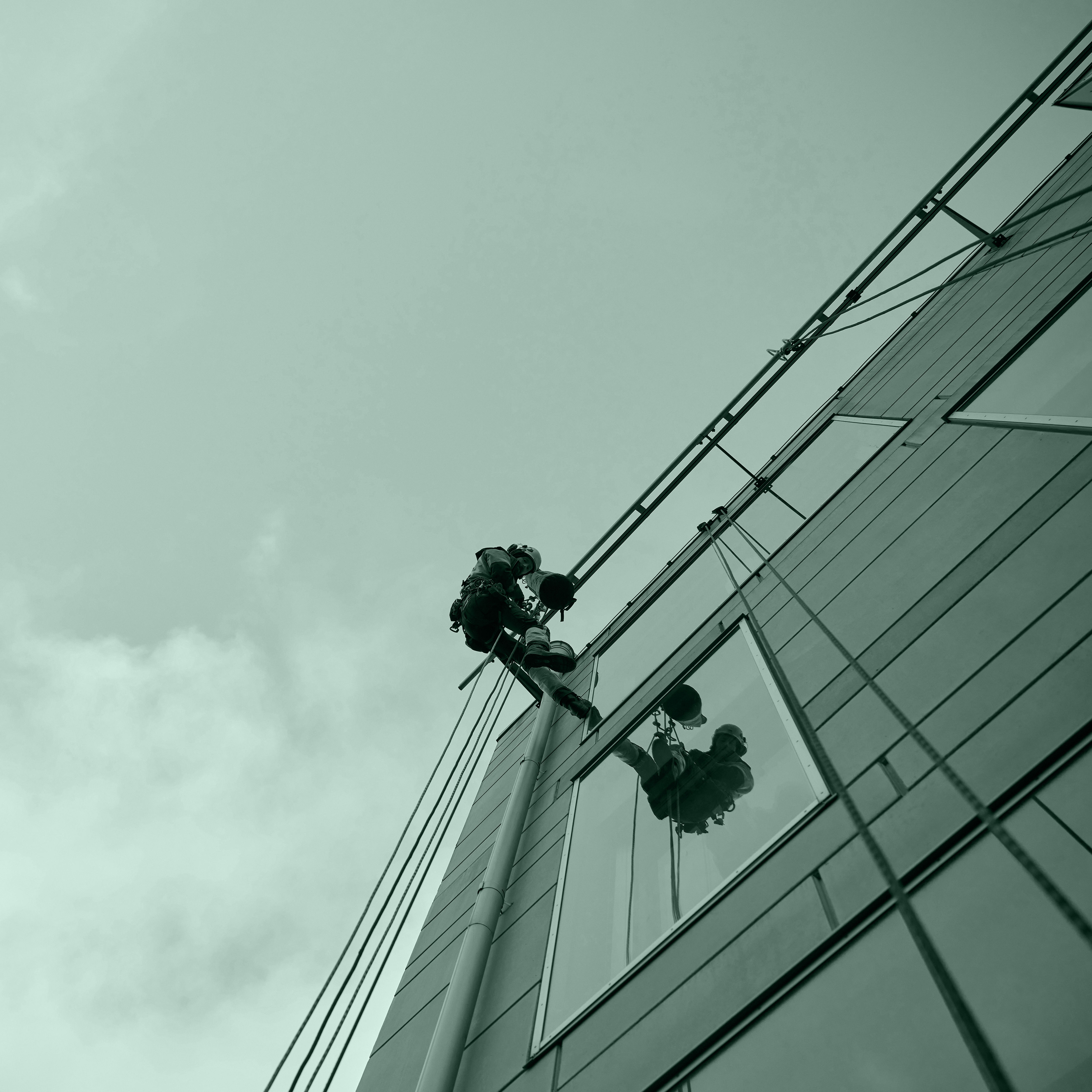
Embodied carbon analysis in building materials for sustainable construction

( ↑ ) Embodied carbon A to C of a unitised curtain wall
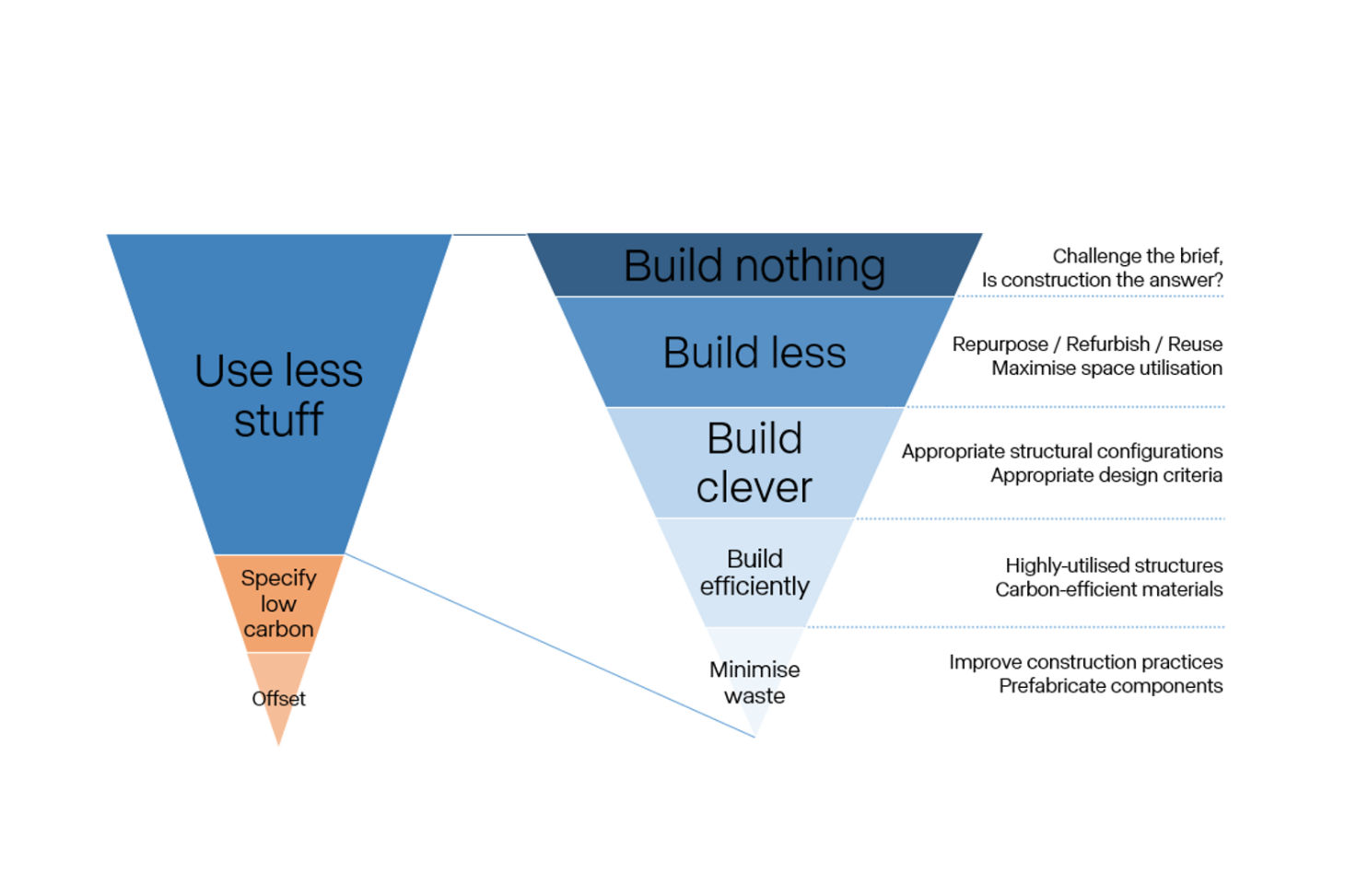
Carbon reduction hierarchy for sustainable building design and net zero strategy

( ↑ ) Hierarchy for reducing carbon emissions

Energy Consultancy

  • Dynamic Simulation Modelling (DSM) using IES and SAP
  • Overheating assessment
  • Energy statement/strategy
  • Part L building regulation compliance (BREL and BRUKL reports)
  • Be Seen assessment
  • Operational Energy assessment (CIBSE TM54)
  • Tender support for the energy package
  • Contractor support
  • Energy Performance Certificates (EPC)
  • Post-Occupancy Evaluation (POE)

Project Focus – Connect Centre

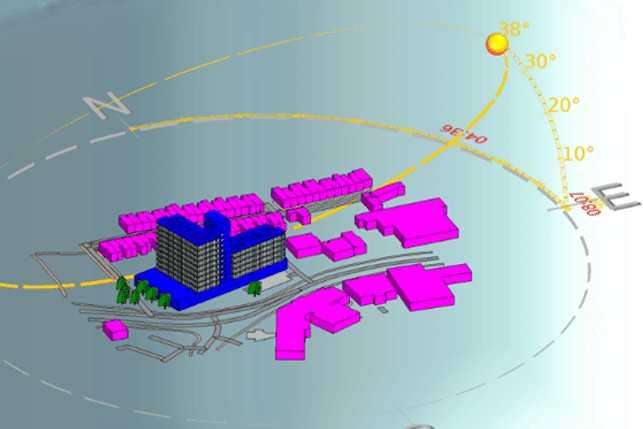
Building energy modelling using IES software for sustainable building performance

( ↑ ) Connect Centre as modelled in IES VE.
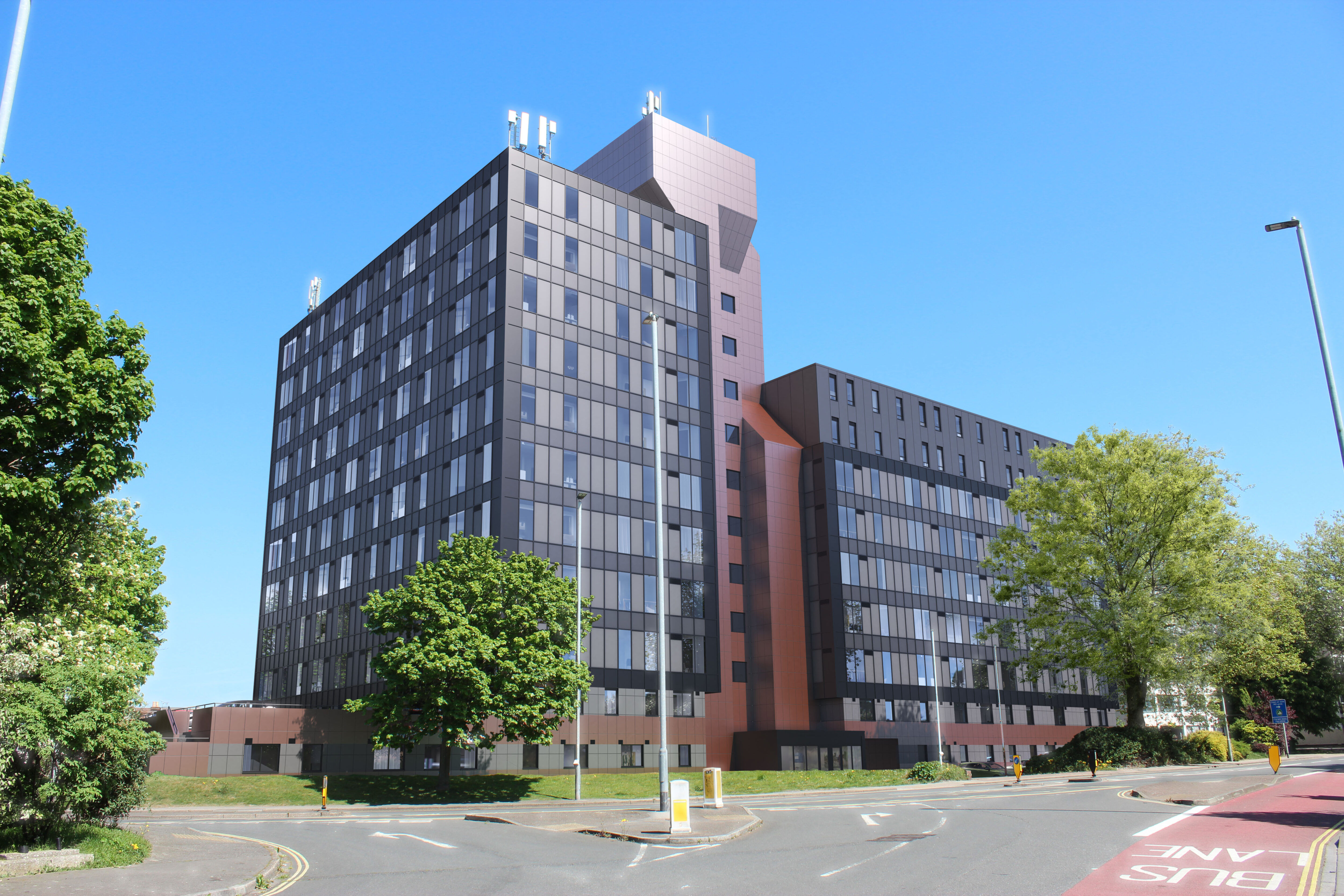
Sustainable building design example demonstrating energy performance optimisation

( ↑ ) Connect Centre, Portsmouth

Green Building Certifications

  • BREEAM evidence collection and assessor roles
  • WELL
  • NABERS
  • LEED
  • Passivhaus

Project Focus – Eden, New Bailey

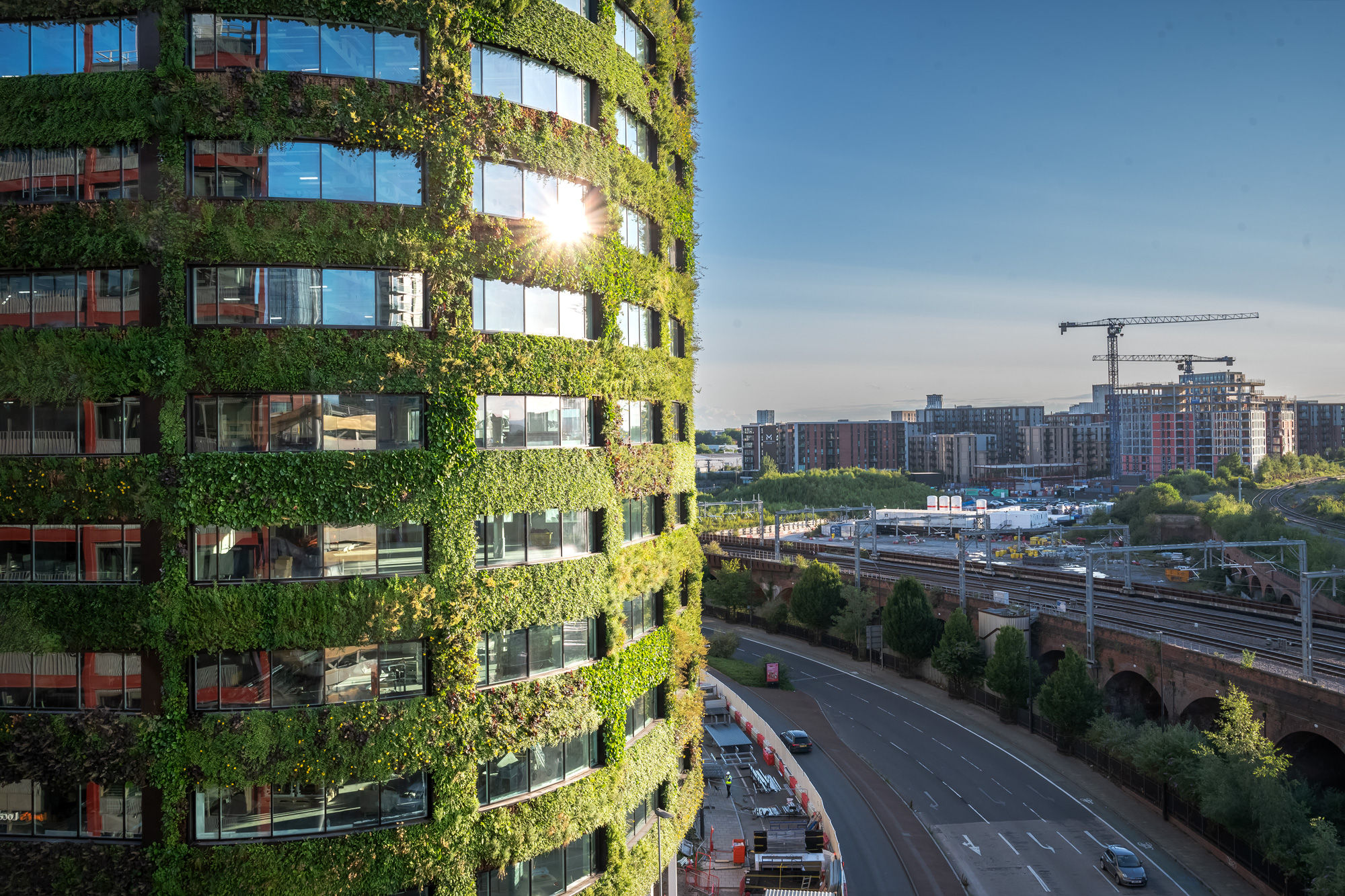
An image of Eden New Bailey on the left and a view of other parts of Salford on the right

( ↑ ) Eden won Sustainability Project of the Year at the Society of Facade Engineering Awards 2025

Watch Sustainability Engineer Tara Sabri discussing the importance of early stage involvement 

Contact Us

Enter your details to get in touch about your Sustainability requirements:

FAQs

The greatest opportunities to improve environmental performance and reduce project costs are identified during the earliest stages of design. Appointing a sustainability consultant from RIBA Stage 0 or 1 enables the project team to embed sustainable design principles, reduce embodied and operational carbon, support planning requirements and achieve certification targets such as BREEAM and Net Zero Carbon without costly redesign later in the programme.
Commercial developments often require a combination of sustainability services including energy modelling, Whole Life Carbon Assessments, embodied carbon analysis, BREEAM consultancy, overheating assessments, daylight modelling, circular economy statements and Net Zero Carbon strategies. The scope depends on the planning authority, building type, project objectives and environmental certification requirements.
Sustainability consultancy is about making informed design decisions that improve long-term value. Optimising energy performance, selecting lower-carbon materials, improving building efficiency and reducing operational costs can deliver significant lifecycle savings while helping avoid expensive design changes during later project stages. Often, optimising embodied carbon emissions involves using materials more efficiently and minimising quantities, which can also lead to lower material costs.
Planning authorities increasingly expect developments to demonstrate strong environmental performance through carbon reduction strategies, energy efficiency measures and climate resilience. Sustainability consultants help prepare the assessments and supporting evidence needed to satisfy planning policies while reducing the risk of delays during the approval process. Referable developments under the London Plan are required to provide a range of sustainability assessments and supporting documents as part of securing planning permission.
A Whole Life Carbon Assessment measures carbon emissions throughout a building’s lifecycle, from material extraction and construction through operation, maintenance and eventual refurbishment or demolition. It provides valuable insight into embodied and operational carbon of the building as designed and allows a comparison against targets such as the Greater London Authority or the Net Zero Carbon Building Standard.
Embodied carbon relates to emissions generated through material manufacturing (including raw material extraction), transportation and the construction of buildings up to their demolition, while operational carbon is produced through the building’s energy consumption during occupation which mainly relate to electricity, natural gas and water usage. Both are essential considerations when designing sustainable, low-carbon developments that remain efficient throughout their lifecycle.
Buildings designed with sustainability in mind often benefit from lower operational costs, stronger ESG credentials, improved occupier wellbeing and greater resilience to future regulations. These factors can enhance marketability, attract investors and tenants and support stronger long-term asset performance. Alignment with the Net Zero Carbon Building Standard (NZCBS) may also strengthen a building’s market appeal and future value as sustainability expectations continue to evolve, especially in the UK built environment.
BREEAM measures the overall sustainability performance of a building across multiple categories including energy, health, transport, materials, ecology and management. Net Zero Carbon focuses specifically on reducing carbon emissions associated with the construction and operation of the building. Many projects pursue both to demonstrate broader environmental leadership.

Discover Our Disciplines