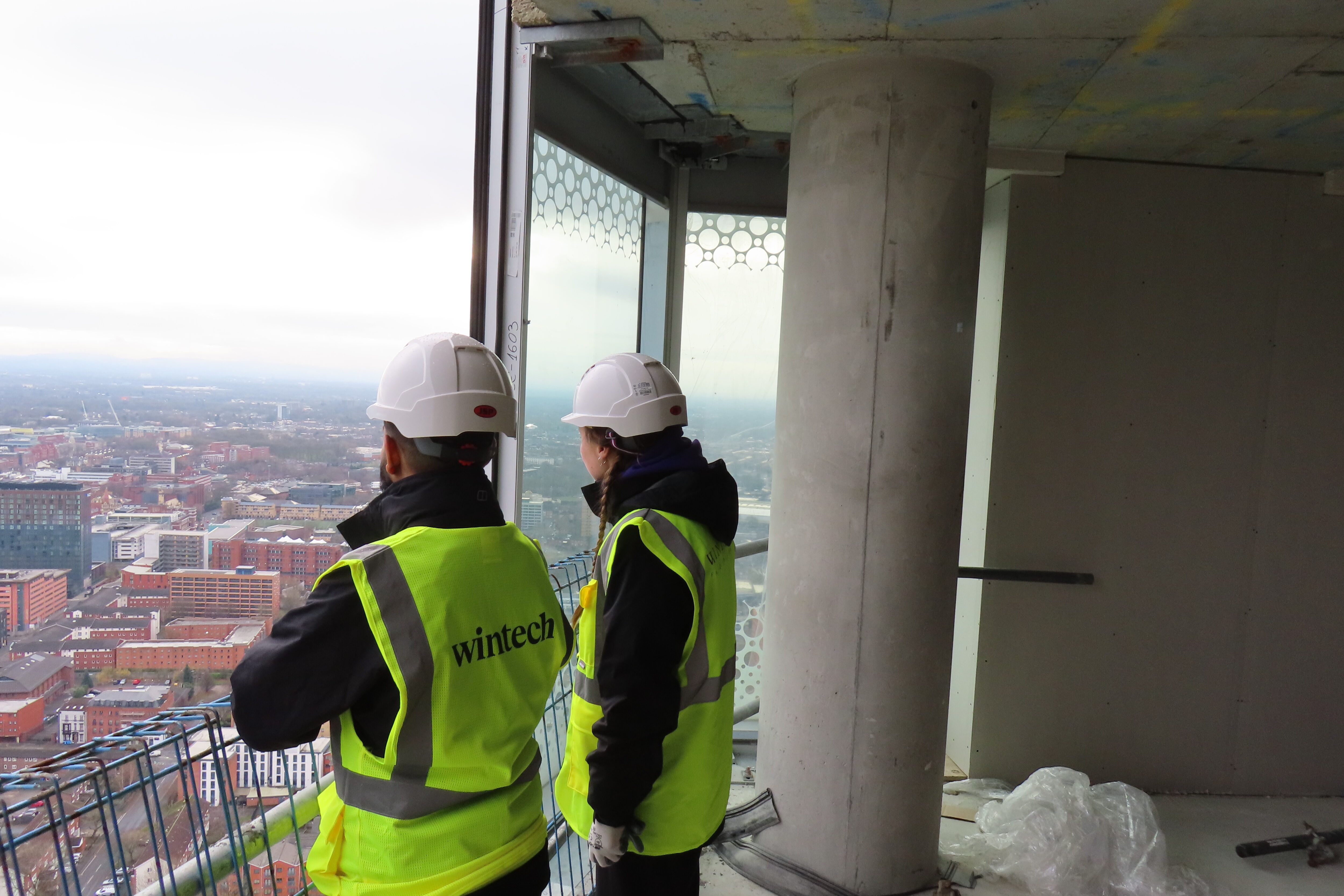
What a Façade Engineer Does (and Why Every Building Project Needs One)
Share



Share
Every building tells a story through its façade. Beyond aesthetics, façades carry immense responsibility: regulating energy performance, protecting from the elements, and supporting long-term durability. Yet, many overlook the specialists behind these critical systems – façade engineers. Their expertise bridges architecture, engineering, and building science, turning bold designs into safe, workable realities.
This article explores what façade engineers actually do and why their contribution is essential on every building project, from concept through to completion.
What Exactly is a Facade Engineer?
A façade engineer is a specialist who focuses on the external envelope of a building – the combination of materials and systems that protect and present the structure to the outside world. Their work touches multiple disciplines, including:
Thermal performance: evaluating insulation, glazing, and airtightness to support energy efficiency.
Weather resistance: reducing risk from wind, rain, and temperature variation.
Structural safety: working with materials and systems that can withstand external pressures and movement.
Aesthetic delivery: helping architects realise complex design aspirations while keeping them buildable.
In short, façade engineers translate architectural vision into practical, reliable solutions.
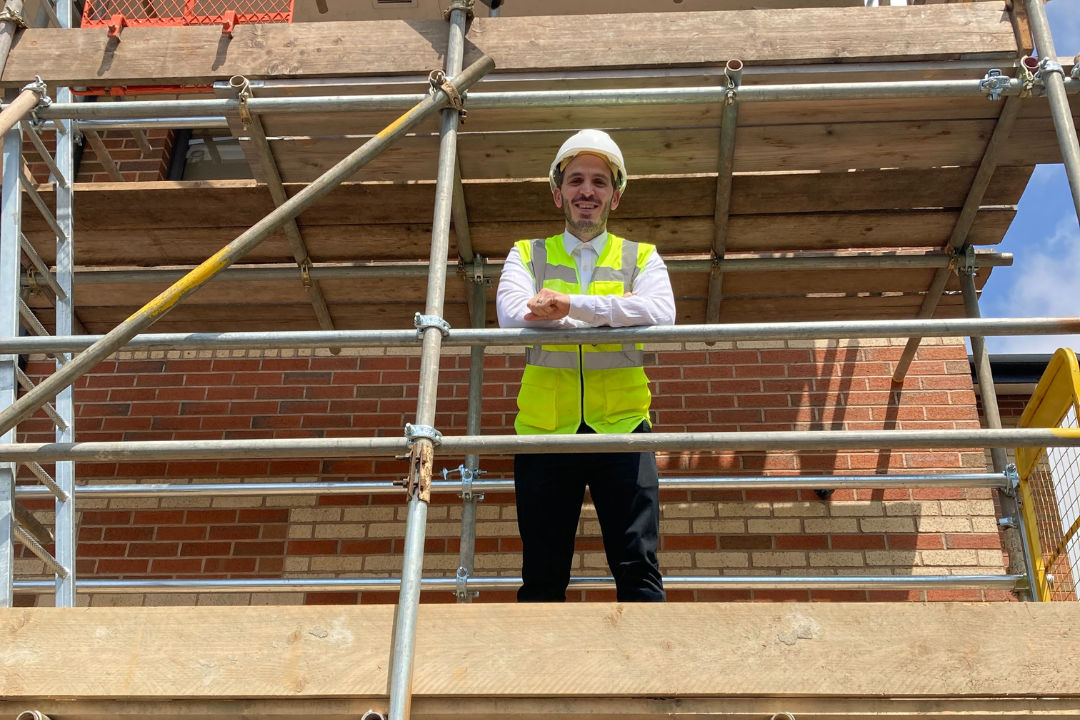
Key Responsibilities of a Façade Engineer
- Technical Guidance from the Start:
Early involvement is critical. A façade engineer collaborates with architects and contractors at concept stage, offering technical insight that informs design decisions. For example, they may highlight where a glazing choice could impact thermal performance, or where a particular cladding option may introduce structural challenges.
This early input helps projects avoid costly redesigns later. By identifying constraints and opportunities upfront, façade engineers set the foundation for a smoother delivery.
- Material and System Selection
Modern buildings demand more than “off-the-shelf” solutions. A façade engineer advises on materials that balance performance, cost, and longevity. This includes:
- Glass types and coatings for light, solar control, and appearance.
- Cladding panels, their fixings, and fire safety considerations.
- Sealants, gaskets, and other components that affect airtightness and durability.
Here, attention to detail is paramount. A façade is not just about the panels or glass you see, but the hidden interfaces where failures often occur. Façade engineers bring expertise to these junctions, reducing potential risks over the building’s lifecycle.
- Bridging Design and Construction:
Design teams often imagine façades that push boundaries. Contractors, meanwhile, must work within budgets, supply chains, and installation constraints. A façade engineer sits between these groups, finding ways to make ambitious concepts buildable without losing intent.
This may involve performance modelling, advising on alternative products, or rethinking connection details so they are easier and safer to install on site. Their collaborative role reduces conflict and keeps the project aligned.
- Fire Safety and Regulation
The façade is central to a building’s fire safety strategy. Façade engineers understand the latest regulations and guidance, advising on appropriate systems and materials. They evaluate how fire barriers, cavity closers, and other measures interact across the envelope.
Given the high scrutiny around façades in recent years, this expertise is vital. Façade engineers help project teams make informed choices, reducing the likelihood of non-compliance or post-construction remediation.
- Performance Testing and Site Involvement:
While their role is often design-focused, façade engineers also provide input during construction. They may observe works on site or review performance test data, identifying whether installed systems are consistent with design intent.
This oversight adds reassurance for project stakeholders. It also highlights any issues before they escalate into defects, saving both time and cost in the long run.

Frequently Asked Questions About Façade Engineers
- What is the role of a façade engineer in a construction project?
A façade engineer specialises in the building envelope – the outer shell that protects, insulates, and defines the appearance of a structure. They provide technical advice on materials, safety, performance, and constructability, ensuring the façade is both functional and visually aligned with the design intent.
- How early should a façade engineer be involved?
The best results come when a façade engineer is engaged at the earliest design stages. Early involvement helps identify risks, reduce redesign costs, and align the architectural vision with practical solutions from the start.
- Do façade engineers only work on large or complex projects?
No. While they are vital on landmark or technically demanding schemes, façade engineers add value to projects of all sizes. Even smaller developments benefit from their knowledge of performance, safety, and long-term durability.
- How do façade engineers contribute to sustainability?
Façade engineers play a key role in reducing a building’s energy use. Through careful choice of materials, glazing, insulation, and system integration, they help projects meet sustainability goals and reduce operational costs.
- Are façade engineers involved during construction?
Yes, their role often continues beyond design. They may review test data, observe installation on site, and provide technical input during construction to help see that the installed façade is consistent with design expectations.
- Why can’t architects or contractors cover this role?
While architects and contractors bring essential expertise, façades require highly specialised knowledge across multiple disciplines, including fire safety, energy modelling, structural behaviour, and materials science. Façade engineers provide this dedicated focus, complementing rather than replacing the wider team.