Dark mode allows you to save up to 30% battery and reduce your ecological footprint. Are you sure you want to change mode?

Build Today. Define Tomorrow.

“What we build today defines our tomorrow” something which at Wintech we strongly believe in. We recognise the severity of the climate crisis and the responsibility we bear as a consultancy group to serve as a catalyst for change. We are a collaborative force – our vision is to support our clients, industry and nation with meeting Net Zero Targets and building a sustainable future. Furthermore, we work closely with academia and understand the importance of educating the next generation.

Four out of every five homes will already have been built by 2050 and some reports suggest that 1.5 homes need to be retrofitted every minute in order to meet the UK’s net zero 2050 target. When considering that the UK has some of the oldest and most thermally inefficient housing stock in Europe, the refurbishment case becomes a pertinent one.

Our goal is clear, to make buildings safe, efficient & resilient, not just for today, but for a greener, more sustainable tomorrow. Together, we can shape a better world through responsible construction.”

( ↑ ) Paul Savidge, Managing Director

Stranded Asset Assessment

As sustainability regulations tighten and Net Zero commitments accelerate, buildings that are energy-inefficient or non-compliant, risk becoming stranded assets. Wintech helps owners, investors, and developers identify these risks early and take action.

We provide a full-service decarbonisation and sustainability approach, combining technical expertise in façade, MEP, and building performance engineering with advanced energy modelling and retrofit planning. Using tools like PHPP, digital twins, and operational energy simulations, we evaluate current and projected energy use, carbon emissions, and compliance with PAS 2038, MEES, and UK Net Zero benchmarks.

Learn more about Stranded Asset Assessment here.

( ↑ ) Stranded Assets: A Proactive Strategy

Whole Life Carbon Assessment

Whole Life Carbon Assessment (WLCA) can give projects a clear, data-led view of emissions across every stage of the building lifecycle, from raw materials and construction to operation, maintenance, and end-of-life. By combining embodied and operational carbon analysis, projects could identify the biggest impact areas and explore targeted, low-carbon design moves without compromising performance.

We can support projects from concept through post-completion, modelling scenarios, comparing material options, and tracking carbon outcomes in line with emerging UK standards and net-zero expectations. This approach could highlight high-value opportunities to cut emissions, optimise resource use, and embed circular design thinking from the onset. With transparent insights and actionable pathways, WLCA can help reduce risk, drive better decisions, and accelerate the shift toward a genuinely low-carbon built environment.

Embodied Carbon

Whole Building Embodied Carbon

Reducing embodied carbon across the built environment is essential to meeting the UK’s climate objectives. The greatest opportunities for carbon reduction occur at the earliest design stages. where material choices and structural strategies have the highest influence on whole-life performance. To support this, we provide early-stage embodied carbon assessments for both new build and refurbishment projects, covering the primary structure, façade systems, building services, and internal finishes. Where required, we also offer practical recommendations to reduce identified emissions and align the design with project sustainability targets.

Whether a development aims to meet the Greater London Authority’s benchmarks or align with the Net Zero Carbon Building Standard, we help project teams understand the carbon impacts of their design decisions and shape solutions that support their aspirations.

At any stage of the design, we can undertake detailed embodied carbon calculations or the façades following the methodology developed by the CWCT. This calculation can include up to 20 different façade types. 

( ↑ ) Figure Adapted from BS EN 15978: Sustainability Of Construction Works

BREEAM Assessment & Support

BREEAM Assessment and Support from Wintech can elevate project sustainability, strengthen compliance, and enhance market credibility through a robust and independent certification route. Our team can engage from the earliest RIBA design stages to identify realistic BREEAM rating pathways, optimise credit potential, and streamline evidence gathering.

By working closely with project teams, our consultants help integrate low-carbon design strategies that improve energy performance, material responsibility, resource efficiency and occupant wellbeing. With focused assessment and targeted guidance, we could help reduce risk, unlock higher BREEAM scores, and demonstrate a clear commitment to environmental performance and low-carbon building design.

A close up photograph of the Eden New Bailey living wall

( ↑ ) Eden, New Bailey

Circular Design and Deconstruction Planning

Circular design and deconstruction planning can transform the way projects are conceived and delivered, cutting waste, keeping materials in circulation, and unlocking new value through reuse, refurbishment, and recycling. These principles could be embedded from day one, with smart choices on durability, modularity, flexibility, material efficiency, and responsible sourcing shaping a building’s ability to adapt, be upgraded, or be safely taken apart.

By viewing buildings as material banks, teams can reduce dependence on virgin resources and boost whole-life performance. At end of life, strategic planning can replace demolition with targeted deconstruction supported by rigorous audits, material inventories, and clear routes for reuse and high-quality recycling.

We can collaborate with project teams to embed these approaches from concept to end-of-life planning, aligning design, stakeholder input, and resource recovery to deliver assets that minimise waste, lower carbon, and maximise long-term value.

Retrofit Optimisation

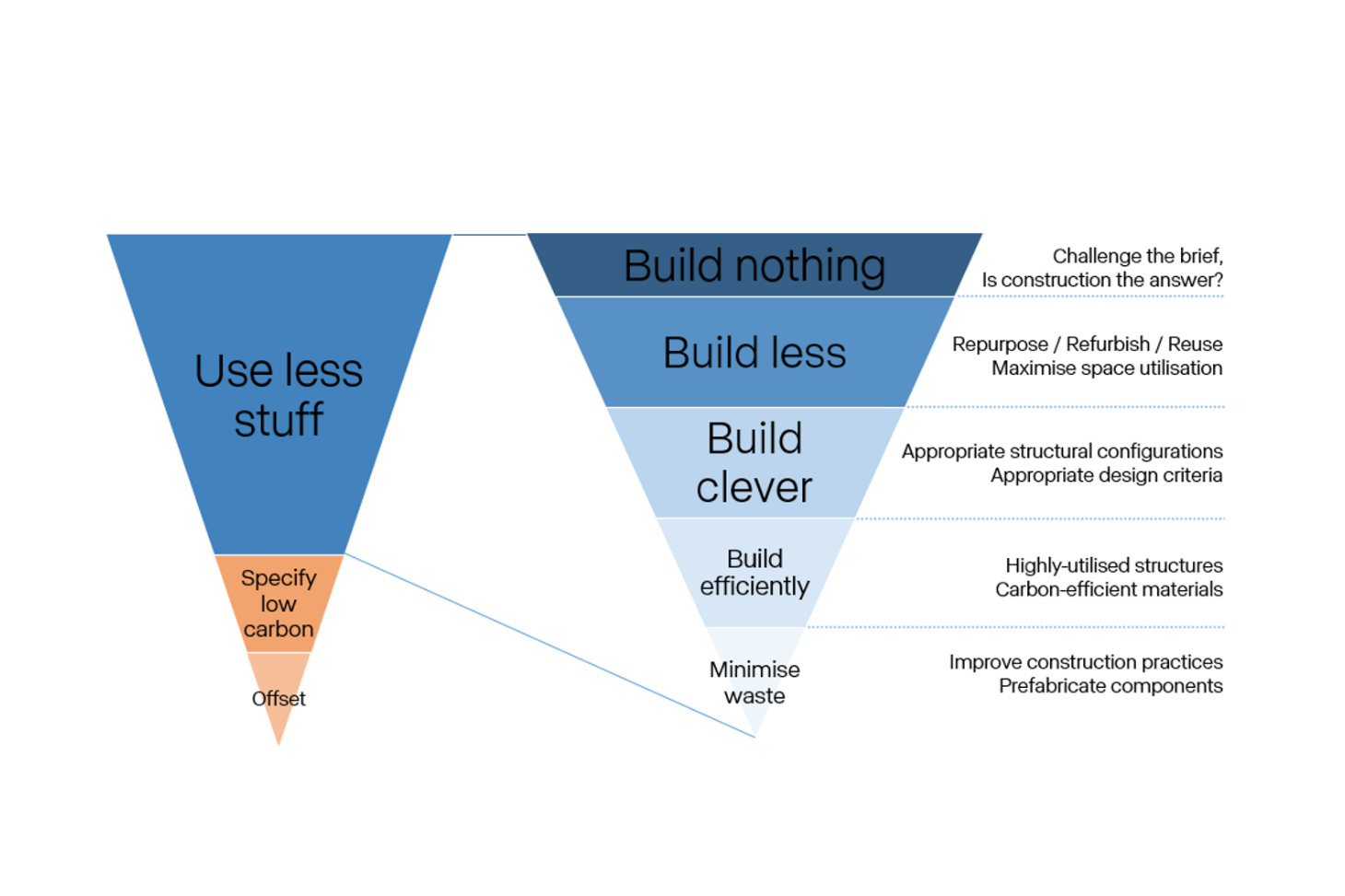
Retrofit is the process of upgrading existing buildings to improve energy efficiency, reduce carbon emissions and address performance issues. In the UK, it is increasingly shaped by national net-zero targets and industry expectations built around whole-building assessment, fabric-first principles and risk-managed design approaches, guided by frameworks such as PAS 2035 (domestic retrofit process standard) and PAS 2038 (non-domestic retrofit guidance).

We create detailed digital models of your buildings to identify the most effective strategies for improving performance and reducing lifecycle costs. Enhancements can range from upgrading the building envelope and mechanical systems to integrating renewable energy, advanced controls, and smart technologies.

The outcome is a clearly defined route to a future-ready, low-carbon building, supported by lower running costs, healthier indoor environments, and measurable progress toward net-zero performance.

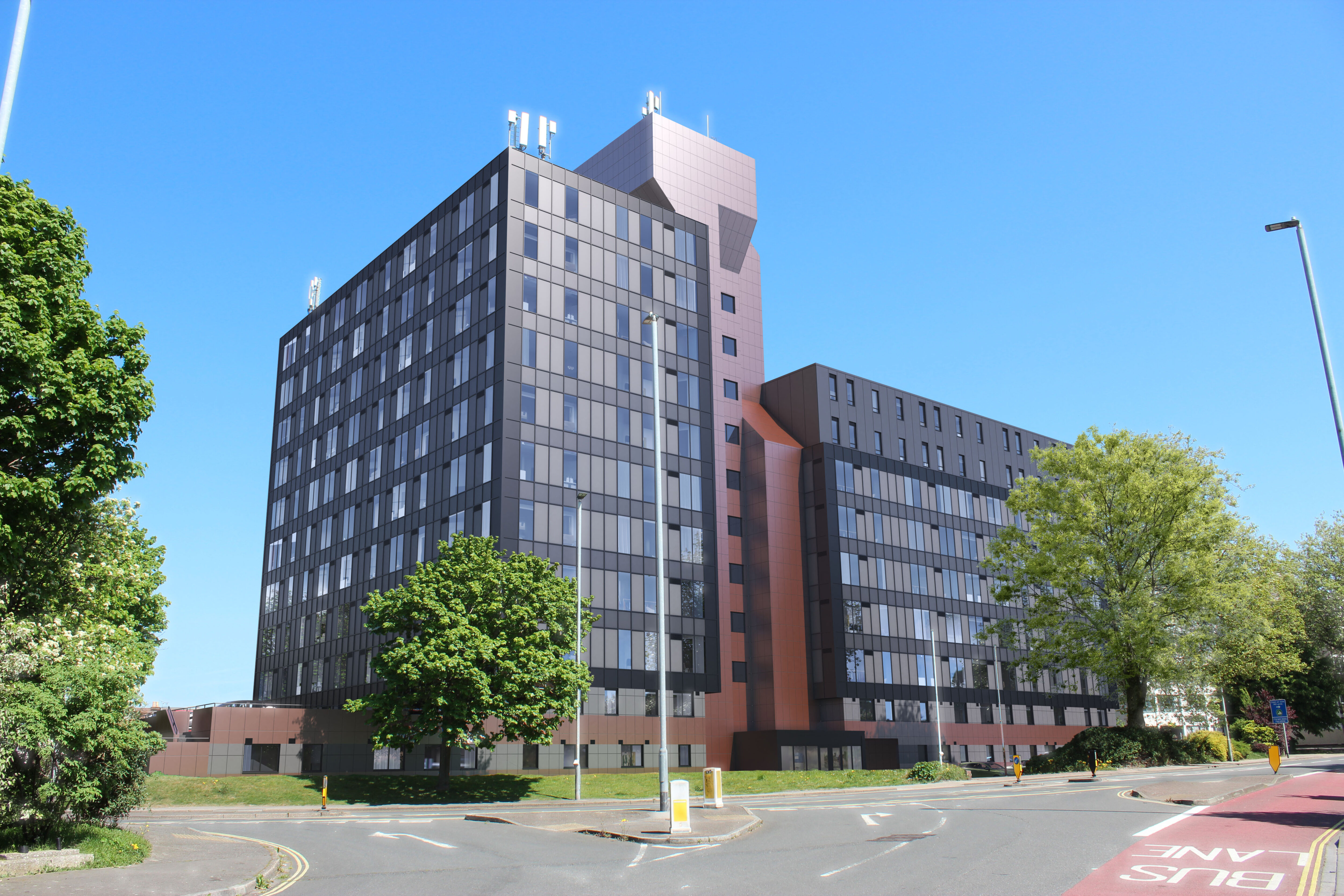
( ↑ ) Connect Centre, Portsmouth

Materials Selections

Material selection plays an important role in shaping the environmental impact of a building. Different materials vary in embodied carbon, recyclability, and reusability, and understanding these differences early can make a big difference.

At the early design stage, we provide clear comparisons of considered materials, focusing on embodied carbon, recyclability, and reusability to support informed decision-making.

As the project develops, we provide support with manufacturer selection, comparing Environmental Product Declarations (EPDs) to help ensure choices align with sustainability and performance ambitions.

( ↑ ) Façade Typologies & Configurations

Passive Design Integration

At Wintech, we recognize that passive design is fundamental to creating high-performance, sustainable buildings. By carefully considering the thermal, solar, and airtightness properties of the building fabric, we can significantly reduce reliance on mechanical systems.

Our integrated approach – combining façade engineering with building services design – ensures that passive strategies such as natural ventilation, daylight optimization, and thermal mass are seamlessly embedded from the outset. This synergy allows us to design electrical and mechanical systems that are not only more efficient but also appropriately scaled to complement the building’s passive performance. The result is a more comfortable, energy-efficient environment with reduced operational costs and environmental impact.

University of Leicster George Davies Centre

( ↑ ) University of Leicester – George Davies Centre

Net Zero Building Design & Retrofit

Wintech delivers integrated Net Zero and low-carbon building design and retrofit solutions that align with UK Net Zero targets and PAS 2038 specifications. Central to this approach is advanced energy modelling, which enables us to simulate building performance, test design strategies, and optimise energy use before construction or retrofit begins.

Combined with lifecycle carbon analysis and decarbonisation planning, this allows us to identify the most effective pathways to reduce emissions and improve efficiency. Whether for new developments or existing buildings, our data-driven methods help clients meet regulatory requirements, satisfy investor expectations, and future-proof their assets.

From early-stage concept design through to operational optimisation, we ensure that every decision supports measurable carbon reductions and long-term environmental resilience.

Featured Projects:

View All

Building Performance Modelling

We have extensive experience in low energy & low carbon building design with multiple projects achieving certifications such as BREEAM Excellent, Passivhaus and WELL Platinum.

To support your project goals, we offer a wide range of thermal modelling and sustainability consultancy services using the IES Virtual Environment (VE) simulation suite. All modelling and reporting are produced in house by our Chartered Engineers, who are cerified CIBSE Low Carbon Energy Assessors, ensuring technical accuracy and compliance with industry standards.

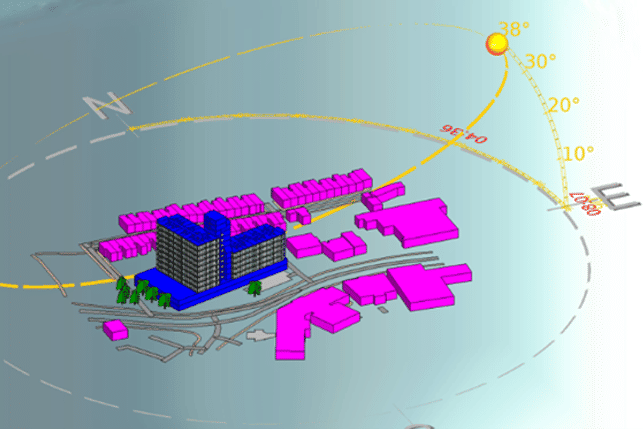
The IES Virtual Environment (VE) is a powerful simulation tool that enables detailed 3D modelling of buildings to assess energy use, thermal comfort, and environmental performance. By simulating factors like solar gain, temperature, wind, and humidity over a typical year, it supports the design and retrofit of buildings that meet net zero and low carbon targets.

The results of thermal modelling can be utilised for:
• Part L compliance reports and EPCs
• Thermal comfort assessments
• Daylighting and artificial lighting analysis
• MEP system optimisation
• Energy and CO2 conservation and sustainability advice

( ↑ ) Connect Centre as modelled in IES VE.
Our Pioneering Approach

As pioneers, we shape industry standards and best practice. We look to the future: partnering with our clients to achieve Building Safety Act Gateway compliance and support our clients’ project’s transition to Net Zero. We guide our clients throughout the entire building project cycle from concept to completion. At Wintech, we are committed to our clients and project partners to deliver best practice approach and meet government regulations, whilst supporting their project objectives.

Discover Our Disciplines